

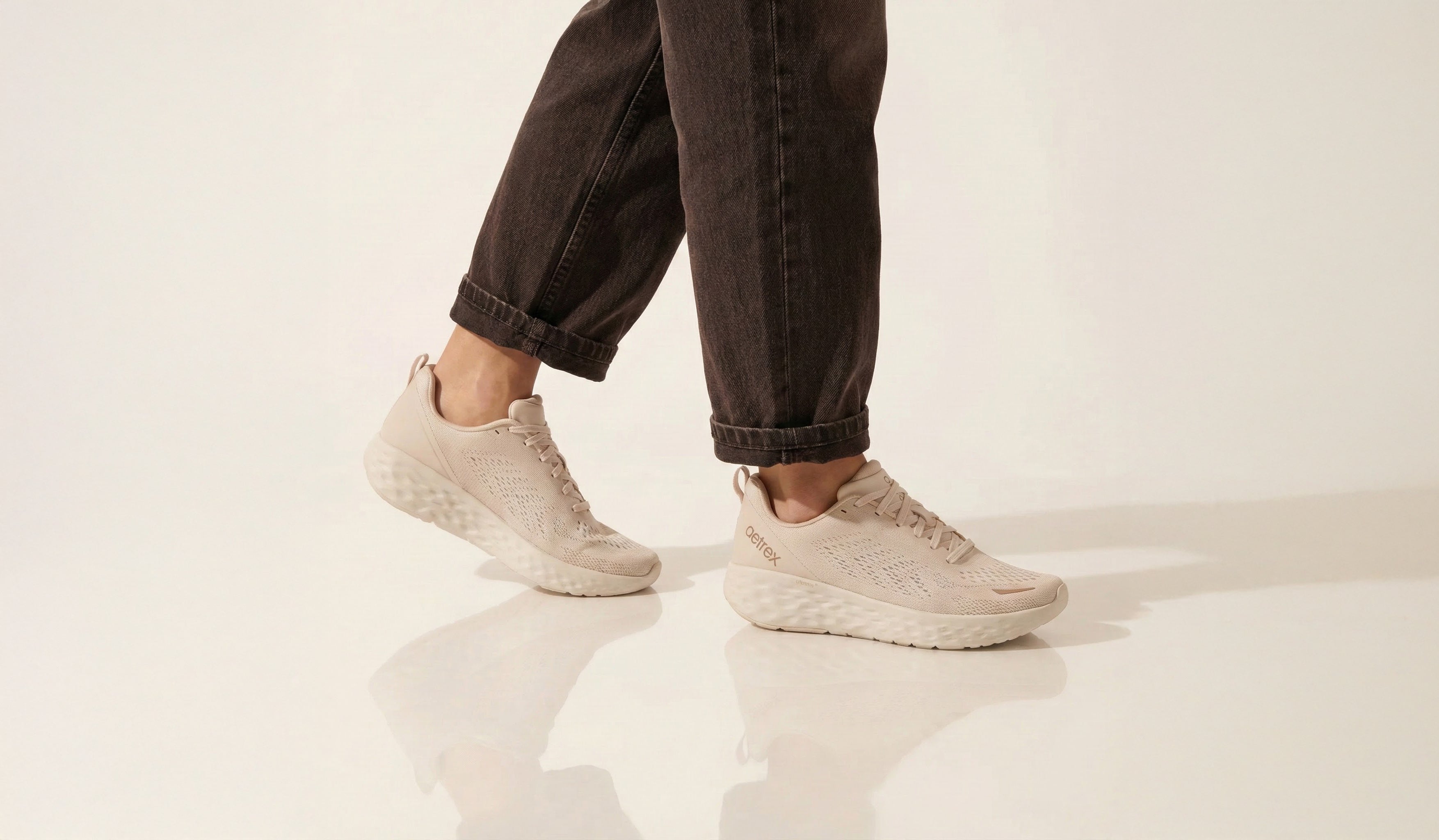
When you have bunions, every step can feel like a gamble. Will this shoe rub? Will my feet ache after just a few blocks? That constant discomfort can make you want to skip walking altogether. But staying active is too important for your health to let foot pain sideline you. The right pair of walking shoes for bunions can completely change your experience. By focusing on features that actually relieve pressure and absorb shock, you can find footwear that provides the foundation you need to walk comfortably again.
Let's start with the basics. A bunion is that noticeable, often painful, bony bump that forms at the base of your big toe. It happens when the bones at the front of your foot shift out of place, causing the tip of your big toe to pull toward your smaller toes. This forces the joint at the base of your big toe—the metatarsophalangeal (MTP) joint—to stick out. This isn't just a cosmetic issue; the misalignment can cause significant pain, redness, and irritation, especially when your foot is crammed into a tight shoe. This structural change can disrupt your foot's natural balance, putting extra stress on other joints and making every step a potential source of discomfort. Finding footwear that accommodates this change is essential for managing bunion pain.
If you're dealing with a bunion, you are definitely not alone. This condition is incredibly common, affecting about one in three adults. While anyone can develop them, they are more frequently seen in women, and the chances of getting one increase as we get older. There's also a strong genetic link; if your parents or grandparents had bunions, you're more likely to have them as well. This hereditary factor means that for many people, bunions are more related to their inherited foot structure than their shoe choices. Knowing this can be empowering, as it shifts the focus from self-blame to proactive management through smart footwear choices and lifestyle adjustments that help to alleviate discomfort and slow the bunion's progression.
Finding the right walking shoe when you have bunions can feel like a quest, but it doesn’t have to be complicated. The key is to focus on features that give your feet space, support, and comfort right where you need it most. A great shoe works with your foot, not against it, helping to reduce pressure on the sensitive joint and making every step feel easier. Instead of forcing your foot into a shape it’s not, the ideal shoe accommodates your bunion while providing the stability you need for walking. By prioritizing a few essential characteristics, you can find a pair that not only feels good but also helps you stay active without aggravating your pain.
This means looking beyond style and really understanding the anatomy of a shoe—from the width of the toe box to the type of arch support. When you know what to look for, you can confidently choose footwear that supports your foot health and your lifestyle. Think of it as building a foundation of comfort from the ground up. The right pair of shoes can make a world of difference, transforming a painful walk into a pleasant one. It’s about finding that perfect balance of a roomy fit, flexible materials, supportive cushioning, and proper alignment. Let's break down exactly what those features are so you can make your next shoe purchase your best one yet.
The most important feature to look for is a wide toe box. Think of it as giving your toes their own personal space to stretch out and lie flat naturally. Shoes that are narrow or have a pointed tip squeeze your toes together, which puts direct pressure on the bunion and can make the pain much worse. When you try on a shoe, you should be able to wiggle your toes freely. This extra room reduces friction and prevents the constant rubbing that leads to irritation and soreness, making it a non-negotiable for all-day comfort. Many Aetrex women's and men's styles are designed with this principle in mind.
It’s not just about side-to-side space; vertical room is just as important. A tall toe box ensures the top of the shoe doesn’t press down on your toes or the sensitive bunion joint. This extra height is a game-changer, preventing that cramped, restricted feeling and allowing your toes to move without rubbing against the shoe's upper. When your big toe has enough room to sit comfortably without downward pressure, it can significantly reduce irritation throughout the day. This is a key detail that Aetrex considers in its footwear design, focusing on creating a truly pressure-free environment for your entire forefoot.
When combined with a wide base, a tall toe box creates the perfect pocket of space for your foot. This design not only accommodates the existing bunion but also helps prevent other issues like hammertoes, which can be aggravated by shoes that are too shallow. It’s about giving your foot the freedom to function as it should, even while you're on the move. By prioritizing shoes with ample room in all directions, you’re investing in long-term comfort and foot health. Many of Aetrex's shoes designed for bunions are crafted with this generous fit, ensuring your feet feel supported, not squished.
The material of your shoe plays a huge role in how it feels against your bunion. Look for walking shoes made from soft, forgiving materials like genuine leather, suede, or stretch-knit fabrics. These materials are flexible and can adapt to the unique shape of your foot, including the bunion, rather than constricting it. Stiff, synthetic materials have no give and can create painful pressure points. A shoe with a soft upper reduces the risk of rubbing and blisters, allowing you to walk comfortably for longer periods without feeling that dreaded pinch.
Beyond the material itself, pay close attention to how the shoe is constructed. A seamless upper is a huge win for bunion comfort because it gets rid of the internal ridges from stitching that can rub against that sensitive joint. Even seemingly harmless decorative pieces or plastic overlays can create painful pressure points if they cross directly over the bunion area. A smooth, uninterrupted interior surface is key to reducing friction and allowing your foot to sit comfortably without irritation. When you’re trying on shoes, make it a habit to run your hand along the inside to feel for any rough spots. This simple check ensures the shoe is as comfortable on the inside as it looks on the outside. Aetrex helps to achieve this by designing many of its styles with seamless interiors, providing a smooth surface that reduces irritation on sensitive areas.
Every step you take sends a jolt of impact from the ground up through your foot. Without proper cushioning, this force can aggravate a sensitive bunion. A well-cushioned shoe absorbs that shock, protecting your joints and providing a softer landing with each stride. Aetrex helps to provide this comfort with signature cushioning that is engineered for superior shock absorption. This feature not only makes walking more pleasant but also helps reduce overall foot fatigue, so you can stay on your feet longer without discomfort.
Arch support is critical for anyone, but it’s especially important when you have bunions. Proper support helps distribute your body weight evenly across your entire foot. Without it, too much pressure can fall on the ball of your foot, which is exactly where the bunion is located. Good arch support aligns your foot into its proper position, which can help prevent the bunion from worsening. Aetrex builds premium arch support directly into every pair of shoes to ensure your feet get the foundational stability they need to function correctly and feel their best.
High heels are a major contributor to bunion pain because they force your body weight forward onto the front of your foot, placing immense pressure on the big toe joint. When shopping for walking shoes, stick to a low heel—less than an inch is ideal. A flatter shoe helps maintain a more natural foot position and promotes balanced weight distribution. If you opt for a completely flat shoe, just make sure it still has excellent arch support, as some flats can be just as unsupportive as high heels.
A shoe with a "rocker bottom" sole might sound technical, but the concept is simple and incredibly effective for bunion relief. This type of sole is thicker and curved, especially at the heel and toe, which helps your foot roll forward smoothly as you walk. This rocking motion significantly reduces how much your big toe joint needs to bend with each step. Since bending is what often causes pain and pressure on a bunion, this design allows for a more natural and comfortable gait. Aetrex helps to create footwear with biomechanically sound designs that support your foot's natural movement, minimizing stress on sensitive areas like the big toe joint.
Heel drop is simply the height difference between the heel and the front of your shoe. While many athletic shoes have a high drop (10mm or more), a lower heel drop is often better for those with bunions. A lower drop promotes a more natural foot position, similar to walking barefoot, which helps distribute pressure more evenly instead of forcing it onto the forefoot. This reduces the strain on your big toe joint and can prevent aggravation. When looking for walking shoes, paying attention to this measurement can make a big difference in your overall comfort and help alleviate the pressure that contributes to ball-of-foot pain.
Finding the right walking shoe when you have bunions can feel like a quest, but the right pair can make a world of difference. The goal is to find a shoe that gives your bunion space while supporting the rest of your foot. A wider toe box, soft materials, and excellent arch support are non-negotiables. When your foot is properly aligned and cushioned, it takes the pressure off that sensitive joint, allowing you to walk more comfortably. We’ve rounded up some of the best walking shoes that check all the right boxes for bunion relief.
When it comes to bunion-friendly footwear, Aetrex stands in a class of its own. Our shoes are thoughtfully designed with features specifically to help with bunion pain. Many of our women's and men's styles include stretchy knit uppers and strategically placed straps that create a pressure-free environment for bunions. The real game-changer is our signature Aetrex Arch Support, which is built into every pair. This technology helps realign your body and distribute pressure evenly across your feet, taking the strain off the big toe joint. It’s the ideal blend of targeted relief and all-day comfort.
Finding the right walking shoe is a huge step toward comfort, but just as important is knowing what to avoid. When you live with bunions, shoe shopping can feel like a frustrating, and often painful, treasure hunt. You might find a style you love, only to discover after a few hours of wear that it's putting unbearable pressure on your big toe joint. This can lead to a closet full of barely-worn shoes and a sense of defeat. The good news is that you can break this cycle. By learning to recognize a few common shoe-shopping mistakes, you can approach the process with confidence and make choices that truly support your feet. It’s not just about avoiding immediate pain; it’s about protecting your foot health in the long run and preventing your bunions from worsening. Think of it as becoming your own foot-health advocate. Understanding why a narrow toe box is a problem or why the time of day you shop matters will empower you to filter out the wrong shoes quickly and focus on the ones that will provide lasting relief. These simple shifts in your shopping strategy can make a world of difference, turning a dreaded chore into a successful mission for all-day comfort.
One of the biggest mistakes is choosing shoes that are too narrow or pointed at the front. While they might look stylish, these designs squeeze your toes together, putting direct pressure on the bunion joint. This constant compression can cause inflammation, irritation, and significant pain. Instead, always look for footwear with a wide, rounded, or square-shaped toe box. This gives your toes room to spread out naturally, which reduces friction against the bunion. When you try on shoes, you should be able to wiggle your toes freely without them feeling cramped. Many Aetrex women's and men's styles are designed with this in mind, offering more space where you need it most.
High heels are a well-known culprit for foot pain, and they are especially problematic for bunions. When you wear heels, your body weight shifts forward onto the balls of your feet, placing intense pressure directly on the big toe joint. This not only aggravates the existing bunion but can also contribute to it worsening over time. For daily wear, stick to shoes with a low, stable heel (under two inches) or a flat sole. A lower heel helps distribute your weight more evenly across the entire foot. When combined with proper arch support, it takes the strain off the sensitive forefoot area, allowing for a much more comfortable stride.
The material of your shoe can make all the difference. Stiff, rigid materials like patent leather or hard synthetics don’t have any give, meaning they can rub and chafe against the sensitive skin over a bunion. This friction often leads to blisters, redness, and increased pain. Instead, opt for shoes made from soft, flexible materials that move with your foot. Look for options like soft leather, suede, or stretch-knit fabrics. These materials gently conform to the shape of your foot, including the bunion, providing a comfortable, accommodating fit without adding pressure. This simple switch can dramatically improve your all-day comfort.
Did you know your feet change size throughout the day? It’s true. Due to gravity and activity, your feet naturally swell and become slightly larger by the afternoon and evening. If you shop for shoes first thing in the morning, you might end up with a pair that feels painfully tight by the end of the day. To get the most accurate fit, always try on new shoes in the late afternoon. This ensures you’re fitting them to your feet at their largest, guaranteeing they’ll remain comfortable from morning to night. For an even more precise fit, consider getting a 3D foot scan, which can map your unique foot shape and pressure points.
Arch support is not just a "nice-to-have" feature—it's essential for anyone with bunions. A lack of proper support can cause your foot to roll inward, a motion known as overpronation. This places extra stress on your big toe joint, which can worsen bunion pain and instability. Quality arch support helps to properly align your foot, control overpronation, and distribute pressure evenly. This takes the load off the forefoot and the sensitive bunion area. All Aetrex shoes and orthotics are designed with signature arch support that helps to stabilize your feet and provide relief right where you need it. Never underestimate how much a supportive foundation can do for your comfort.
Finding the right walking shoes can feel like a game-changer when you're dealing with bunion pain. While footwear can't make a bunion disappear, making a thoughtful choice is one of the most effective ways to manage discomfort and keep you on your feet. The right pair of shoes works with your foot's unique shape, providing relief and support exactly where you need it most. Here’s how they make a difference.
The constant rubbing and pressure from a tight shoe is what makes a bunion so painful. The best walking shoes give your toes space to breathe with a wide, accommodating toe box. This design prevents the shoe from squeezing the sensitive joint. Look for soft, stretchable materials that conform to your foot's shape without causing irritation. Many Aetrex women's shoes are designed with special features like built-in bunion pockets, which are small, forgiving spaces that give the bunion extra room. This thoughtful detail helps to significantly reduce direct pressure on the affected area, allowing you to walk more comfortably throughout the day.
Bunions can throw off your foot's natural alignment, causing your weight to land unevenly with every step. This puts extra stress on the big toe joint, which is already under pressure. A supportive shoe helps to correct this imbalance. The key is excellent arch support, which stabilizes your foot and encourages a more natural stride. Aetrex helps to provide this stability with its signature arch support built into every pair of shoes. By properly supporting your arch, the shoe helps to distribute pressure evenly across your entire foot, taking the load off the painful bunion area and improving your overall comfort.
Wearing the wrong shoes doesn't just cause temporary pain—it can actually make your bunions worse over time. Shoes that are too narrow or stiff can push your big toe further out of alignment, accelerating the bunion's progression. Since a bunion changes the shape of your foot, finding a shoe that fits correctly is essential for your long-term foot health. Choosing footwear designed for bunions is a proactive step. It not only provides immediate relief but also helps to prevent further irritation and the development of other foot problems. Getting a precise measurement of your foot can ensure you find the perfect fit to protect your feet for years to come.
When your feet hurt, your whole body feels it. Bunion pain often causes you to unconsciously change how you walk, shifting your weight to avoid putting pressure on that sensitive joint. This slight adjustment might not seem like a big deal, but it creates a ripple effect that can throw your entire body out of alignment. Over time, this compensation can lead to new aches and pains in your ankles, knees, hips, and even your lower back. Wearing bunion-friendly shoes with proper arch support helps to break this cycle. By providing a stable foundation and encouraging a natural stride, the right footwear can improve your overall posture from the ground up, easing unnecessary strain on other joints.
Let's be clear: the right shoes won't make a bunion disappear. However, they are one of the most effective non-surgical tools you have for managing the daily discomfort and staying active. Think of it as a proactive strategy for your foot health. By choosing footwear that accommodates your bunion instead of fighting against it, you can significantly reduce pain and prevent the constant irritation that makes walking miserable. This thoughtful choice not only provides immediate relief but also helps to slow the progression of the condition by taking stress off the joint. It’s a simple, yet powerful, way to take control of your comfort without resorting to more invasive measures.
Finding the perfect pair of walking shoes when you have bunions can feel like a challenge, but it doesn't have to be. With a little know-how, you can confidently choose footwear that not only accommodates your bunions but also provides the comfort and support you need to stay active. It’s all about shifting your focus from just the style to the specific features that make a shoe work for your feet, not against them.
Think of shoe shopping as a strategic mission for comfort. Instead of grabbing the first pair that catches your eye, you’ll want to look closer at the size, materials, and overall fit. A few simple checks can be the difference between a day spent in pain and one where you forget you’re even wearing shoes. These tips will help you find shoes that give your bunion space while supporting the rest of your foot, so you can get back to walking with ease.
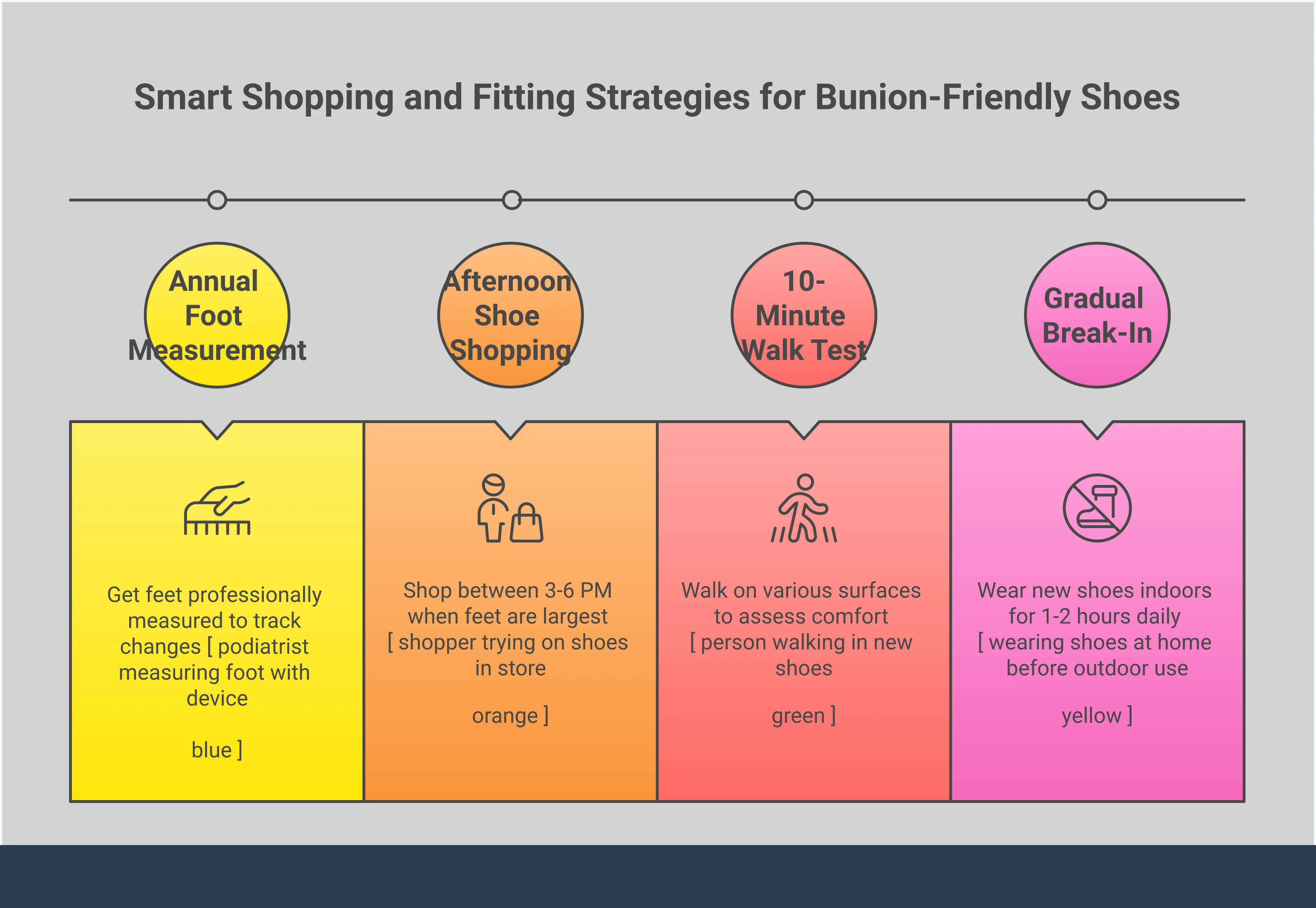
The first rule of shopping for bunion-friendly shoes is to forget what you think your shoe size is. Bunions can gradually change the shape and width of your foot, meaning the size you wore last year might not be the right fit for you today. It’s common to need a wider shoe to accommodate the bunion and prevent painful squeezing.
Before you buy, get your feet measured. You can do this at a shoe store or at home with a ruler and a piece of paper. Make sure to measure both length and width, as you might find that a wider size offers the relief you need. An even better option is to get a detailed analysis of your feet. Aetrex’s advanced foot scanners, available at various retail locations, can give you precise measurements and insights into your foot type and pressure points, making it much easier to find the perfect fit.
When you're trying to find the right fit for a foot with a bunion, sometimes the simplest solution is the most effective: go up a size. This isn't about your foot getting longer; it's about giving it the width and volume it needs to be comfortable. A slightly larger shoe can provide that crucial extra space in the toe box, allowing your bunion to exist without being constantly pressed or rubbed by the shoe's upper. This is particularly helpful with slip-on styles, which can sometimes feel restrictive across the top of the foot. By choosing a size up, you create a more forgiving environment that helps to reduce irritation and pressure on the sensitive joint, making your walks much more enjoyable.
It’s also important to remember that your feet aren't the same size all day long. They naturally swell from walking and standing, usually reaching their largest size in the late afternoon. This is why trying on shoes in the morning can be misleading; a pair that feels perfect at 10 a.m. might feel painfully snug by 5 p.m. Combining the strategy of shopping later in the day with the willingness to go up a size gives you the best chance at finding a truly comfortable fit. This proactive approach helps you avoid the disappointment of shoes that pinch after a few hours and ensures you select footwear that provides consistent comfort and relief for your bunion.
The material of a shoe’s upper plays a huge role in how it feels on a bunion. Stiff, rigid materials can press and rub against the sensitive area, causing irritation and pain. Instead, look for shoes made from soft, flexible, and forgiving materials that will gently stretch and move with your foot.
Materials like engineered mesh, soft leather, and stretchy knit fabrics are excellent choices. Many of Aetrex’s women’s and men’s shoes are designed with stretch knit uppers specifically to provide extra give around bunions. Also, pay close attention to the shape of the shoe. A wide, roomy toe box is non-negotiable. It allows your toes to spread out naturally and prevents the shoe from putting direct pressure on the bunion. Avoid narrow, pointy styles at all costs.
Getting a professional fitting is one of the best things you can do for your feet. A specialist can measure your feet accurately and recommend shoes that are well-suited for bunions. However, we all love the convenience of shopping online. The good news is that you can still find a great fit without leaving your home, as long as you use the right tools.
This is where technology can be a game-changer. If you’ve had a chance to use an Aetrex foot scanner, you’ll receive personalized recommendations for shoes and orthotics that are ideal for your specific needs. This data-driven approach takes the guesswork out of online shopping and helps you make an informed decision. It’s like having a virtual shoe-fitting expert right at your fingertips, ensuring you get a comfortable and supportive fit every time.
When it comes to finding the perfect walking shoes for bunions, a professional foot scan can be a total game-changer. This advanced technology provides a detailed analysis of your unique foot shape, arch type, and pressure points, ensuring you find footwear that truly fits your needs. Aetrex offers state-of-the-art foot scanners at various retail locations that provide personalized recommendations for shoes and orthotics tailored specifically for you. This data-driven approach takes the guesswork out of shopping, allowing you to make informed decisions that prioritize your comfort and long-term foot health.
By utilizing a foot scan, you can get precise measurements of both the length and width of your feet, which is crucial since bunions can change your foot's shape over time. Many people discover they need a wider shoe than they thought to accommodate their bunion and prevent painful squeezing. With this accurate data, you can confidently select shoes that provide the necessary space and support for your feet. It helps you understand your own anatomy better, turning a frustrating shopping trip into a successful one and ultimately transforming your walking experience from painful to pleasant.
The best time to try on new shoes is in the late afternoon or evening. Your feet naturally swell throughout the day, so trying on shoes when they’re at their largest helps ensure they’ll remain comfortable from morning to night. When you slip them on, make sure you’re wearing the same type of socks you’d typically wear for walking.
Walk around a bit to see how they feel in motion. A great fit should feel secure in the heel to prevent slipping, but roomy in the forefoot. You should have about a half-inch of space between your longest toe and the end of the shoe. Most importantly, there should be absolutely no pinching, rubbing, or pressure on your bunion. The shoe should feel like it’s cradling your foot, not constricting it.
You’ve probably seen the rise of minimalist or "barefoot" shoes, which have gained a following for their promise of a more natural foot experience. These shoes are designed with ultra-thin soles, a wide toe box, and zero arch support to mimic the sensation of walking barefoot. The theory is that by allowing your feet to move without interference, you can strengthen the small muscles in your feet and improve your natural gait. Some research suggests this approach can be beneficial for overall foot health, encouraging a forefoot or midfoot strike that may reduce impact on the joints.
However, for someone with bunions, this approach requires serious caution. While strengthening your feet is a worthy goal, minimalist shoes lack the two key features that provide relief for bunion pain: cushioning and arch support. Bunions are often linked to foot instability, such as overpronation, where the arch flattens and the foot rolls inward. Without arch support to correct this alignment, you could be putting even more strain on your big toe joint with every step. The lack of cushioning also means your sensitive bunion joint will absorb the full impact of walking on hard surfaces, which can increase inflammation and pain rather than relieve it.
For those already experiencing discomfort from a bunion, providing immediate support is often more beneficial than forcing the foot to work harder. Aetrex helps to deliver this comfort and stability through footwear with signature built-in arch support. This technology is specifically designed to help realign your foot, control overpronation, and distribute pressure evenly, taking the load off the painful bunion area. While the idea of barefoot freedom is appealing, giving your feet the structured support they need is a more direct path to comfortable walking when you're managing a foot condition.
Finding the right walking shoe is a huge step, but it’s not the only thing you can do to manage bunion pain. Several tools can work with your footwear to provide extra comfort, support, and relief. Think of them as your support system for your feet, helping you stay active and comfortable on your terms.
While they won't make a bunion vanish, orthotics are a game-changer for managing pain. These inserts are designed to correct alignment issues and reduce the pressure that aggravates the big toe joint. Aetrex helps to provide targeted relief with orthotics that feature our signature arch support to properly biomechanically align your body. This takes stress off the forefoot and helps to slow the progression of the bunion. According to the Mayo Clinic, using over-the-counter arch supports can help distribute pressure evenly and reduce your symptoms.
Sometimes the simplest solutions are the most effective. Bunion pads are small, non-medicated cushions that you place directly over the bunion. Think of them as a soft barrier between your sensitive skin and the inside of your shoe. This little buffer significantly reduces the friction and rubbing that can cause pain and irritation, especially during a long walk. They are an easy and inexpensive way to make your shoes more comfortable throughout the day, allowing you to focus on your activities instead of your feet.
Toe spacers are another helpful tool for bunion relief. These small devices fit between your big toe and second toe, gently encouraging better alignment and preventing them from overlapping. By creating space, they can help ease pressure on the affected joint. While toe spacers are a separate accessory, many thoughtfully designed shoes also help with this goal. For instance, many Aetrex walking shoes are constructed with a wider toe box and stretchable materials that give your toes room to spread out naturally, preventing the squeezing that can make bunions worse.
When you’re shopping for shoes, always check to see if the insoles are removable. A shoe with a removable insole is like a blank canvas for your comfort. This feature gives you the freedom to take out the factory footbed and insert your own orthotic for a truly personalized fit. For anyone with bunions, this is a must-have feature. It ensures you can add the specific arch support and cushioning your feet need to feel their best. It’s the easiest way to turn a great shoe into your perfect shoe.
Bunion socks are another simple yet effective tool for managing daily discomfort. These specialized socks are designed with a built-in separator that gently realigns your big toe, helping to prevent it from rubbing against the second toe. This separation can reduce friction and irritation, especially when you're on your feet for long periods. Think of them as a subtle, wearable version of a toe spacer that you can easily incorporate into your routine. While they won't correct a bunion, they can provide a welcome layer of cushioning and protection inside your shoe, making your daily walks more comfortable and less focused on foot pain.
For a more proactive approach to managing bunion pain, physical therapy can offer significant long-term benefits. A physical therapist can guide you through specific exercises designed to strengthen the muscles in your feet and improve your foot mechanics. This can help stabilize the toe joint and alleviate some of the pressure that causes pain. By addressing the underlying functional issues, physical therapy can improve your balance and gait, making it easier to walk comfortably. It’s a great strategy for managing symptoms and improving your overall foot function, empowering you to stay active with less discomfort.
Getting a new pair of shoes is exciting, but for those of us with bunions, it can also be a little nerve-wracking. The break-in period is crucial for ensuring your new walking shoes become a source of comfort, not pain. A little patience at the beginning goes a long way in protecting your feet and making sure you’ve found the perfect pair. Let's walk through how to do it right.
It's tempting to take your new shoes out for a long walk right away, but it's best to ease into them. Begin by wearing them around your house for an hour or two at a time. This gradual introduction lets your feet get used to the new shape and support without overwhelming them. Even with shoes designed for bunions, this step helps protect the sensitive area from too much friction at once. After a few indoor sessions, try them out for a short walk outside. This slow-and-steady approach helps the shoe mold to your foot for long-term comfort.
As you wear your new shoes, listen to your feet. A great fit feels secure without any pinching, squeezing, or intense pressure, especially around your bunion. You should have enough room to wiggle your toes freely. While some materials like full-grain leather have a little give and will soften over time, your shoes should feel comfortable from the start. If you notice any immediate redness, sharp pain, or blisters forming, those are clear signs that the fit isn't right. A little stiffness is normal, but pain is a warning sign you shouldn't ignore.
The break-in period is for adjusting to comfort, not enduring pain. If your shoes continue to cause discomfort after a few short wears, don't try to force it. Pushing through the pain can aggravate your bunion and lead to other foot problems. A well-fitting shoe should support your foot, not fight against it. If the toe box feels too tight or the material puts too much pressure on your bunion, it’s better to exchange them for a different size or style. Remember, the goal is to find footwear that helps manage bunion pain, and the right pair won't require a painful adjustment period.
Can the right shoes get rid of my bunion? While the right shoes can’t make a bunion disappear, they are one of the most powerful tools for managing the pain and preventing it from getting worse. Think of it as creating a supportive, pressure-free environment for your foot. By choosing footwear that gives your bunion space and properly aligns your foot, you can significantly reduce daily discomfort and stay active without irritation.
If I can only focus on one thing, what's the most important feature in a shoe for bunions? Without a doubt, the most critical feature is a wide toe box. Giving your toes enough room to lie flat and spread out naturally is the number one way to reduce direct pressure and friction on the bunion joint. While other features like arch support and cushioning are also very important for overall comfort, starting with a roomy toe box is the non-negotiable first step.
Is buying a wider size in a regular shoe enough to help my bunion? Choosing a wider size is a great start, but it often isn’t the complete solution. A truly bunion-friendly shoe considers the whole foot. In addition to a roomy toe box, you need excellent arch support to help distribute your weight evenly and take stress off the forefoot. Soft, flexible materials are also key to prevent rubbing. A shoe designed with all these elements in mind will provide much more comprehensive relief than simply sizing up.
How can I tell if a shoe is actually comfortable for my bunion when I'm trying it on? When you try on a shoe, pay close attention to how it feels around the bunion area. There should be no pinching, squeezing, or intense pressure. You should be able to wiggle all of your toes freely. Try to shop in the afternoon when your feet are slightly swollen to get the most accurate fit, and be sure to walk around for a few minutes. A great shoe will feel secure in the heel but spacious and accommodating at the front from the moment you put it on.
Should I use an orthotic insert with my walking shoes? Orthotics can be incredibly helpful because they provide targeted support that helps align your foot and relieve pressure on the big toe joint. Many people find they offer an extra level of relief. Some shoes, like those from Aetrex, are designed with premium arch support already built-in. If you choose another brand or need a more specific type of support, look for shoes with removable insoles so you can easily add an orthotic for a personalized fit.
Share:
The Ultimate Guide to Insoles for Flat Feet
10 Best Sandals for Walking Long Distances